Explanations Behind Our Actions: The COM-B Model
It is not unusual to be surprised by someone’s behaviour or decision making, which can sometimes seem as if they have gone against ‘common sense’. The truth, however, is that all behaviour has an explanation — but understanding it requires a specific way of thinking.
INTRODUCTION
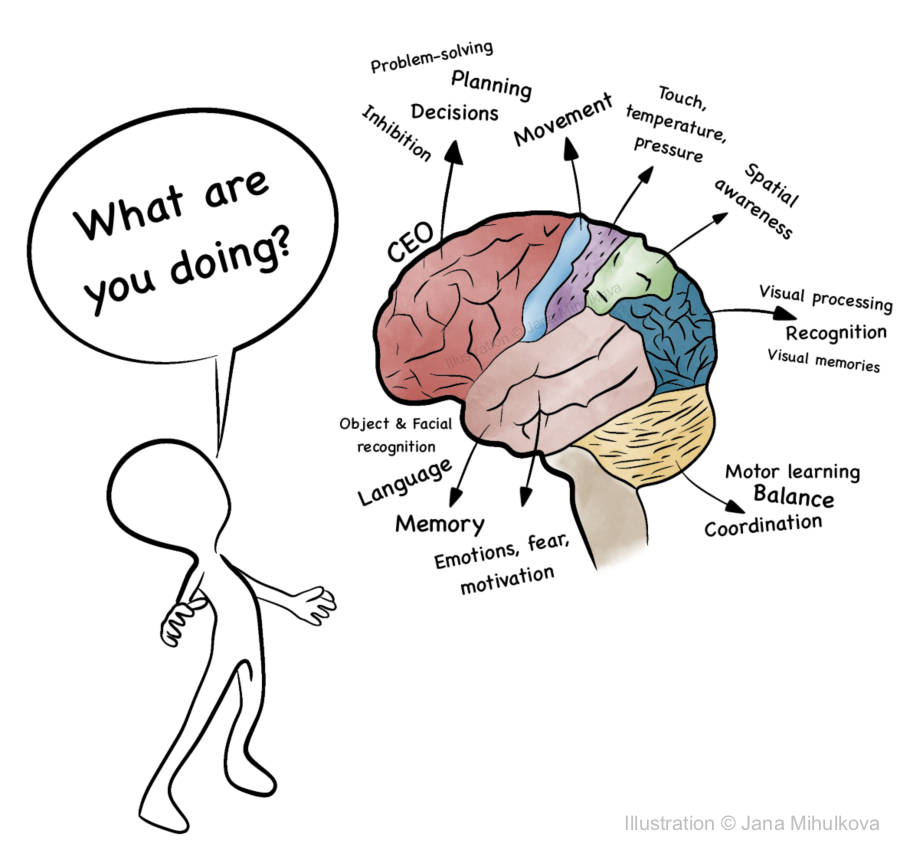
The human mind is incredibly complex! The internal structure and capabilities of the brain influence how we perceive the world and behave within it. The human brain continuously adapts and learns from external factors, like social interactions, cultural influences, the physical environment, as well as personal experiences and emotions. This ongoing process shapes how we think and behave, creating a dynamic interaction between our internal and external worlds.
When thinking about what this means in the workplace, behaviour plays a central role in both safety and performance. The study of Human Factors considers our psychological and physical capabilities, as well as our limitations and organisational influences. Explaining unsafe behaviour in the workplace involves looking beyond the individual’s mistakes and understanding the wider context.
Human Factors can often involve discussions around both ‘explainable’ and supposedly ‘unexplainable’ behaviours in the workplace. These behaviours are sometimes dismissed with phrases like “common sense” or attributed to a lack of rationale or basic skills. While some decisions may seem irrational on the surface, particularly when they involve risk to people, there are always underlying factors and motivations driving those choices.
Although we cannot dissect every individual’s experience in depth, it is still possible to understand people’s behaviours and explore the reasons behind their attitudes and actions.
BEHAVIOURAL MODELS
A behavioural model is a framework used to understand and explain human behaviour either in individuals or groups. It typically examines the factors and processes that drive specific actions, decisions, or reactions. Behavioural models help us to better understand why people behave the way they do and can inform interventions or strategies focused on behavioural change.
THE COM-B MODEL
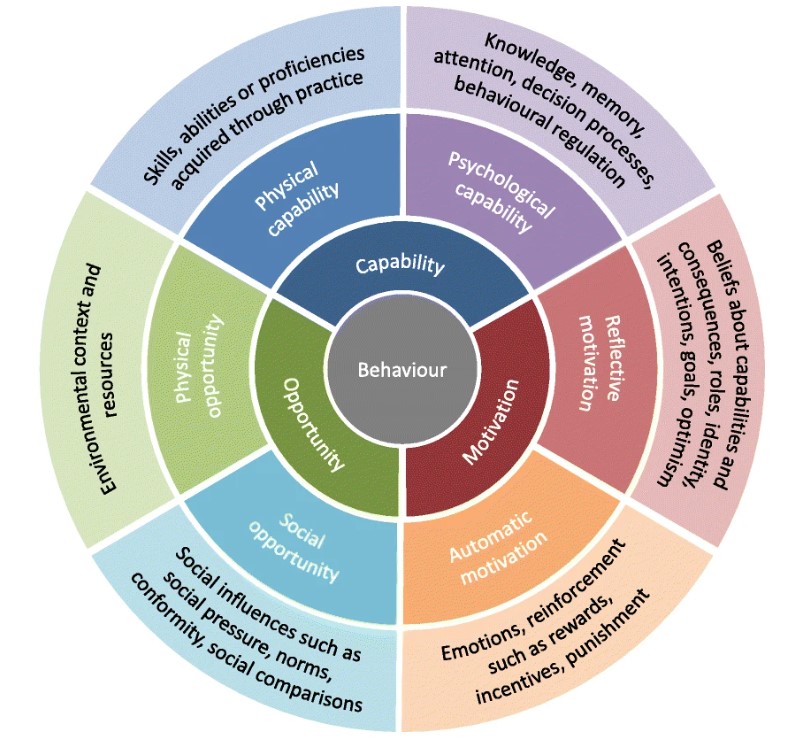
One example of a behavioural model is the COM-B model (Ref. 1), which stands for Capability, Opportunity, and Motivation-Behaviour. This is a flexible, holistic and concise framework explaining that Capability (whether physical and/or psychological), Opportunity (whether physical and/or social), and Motivation (whether automatic and/or reflective) together constitute our Behaviour (see Figure 1).
The model can be used to explore unsafe behaviours or a range of other workplace concerns, such as poor safety culture, low reporting rates or limited compliance with personal protective equipment use. The COM-B model is both comprehensive in identifying key behavioural drivers and concise enough to be applied flexibly across various projects, work contexts, and even in our everyday life.
APPLICATION IN PRACTICE
The COM-B model can be applied by anyone as a new way of thinking about why we do what we do. A simple example of how the COM-B model can be applied to a common scenario in a workplace is:
- Scenario: An operator undertook a task which resulted in incident occurring. Following the incident, it was discovered that the operator had taken an action which was not documented in the formal procedure. The company deemed this as unsafe behaviour.
- Response: The company treats this as a violation and imposes disciplinary action to set a better example for future safe operations.
This is where Human Factors come into play – to better understand why an operator acted the way they did.
- Findings: An interview with the operator revealed that they had learned a shortcut from colleagues during their training. Procedures were often ignored because they were outdated and no longer reflected how personnel performed the job. Access to the dedicated equipment needed for the job has been consistently problematic due to the site layout and lack of suitable storage. Also, the operator felt under pressure to meet deadlines due to the company’s bonus programme. The workforce didn’t see their actions as wrong; on the contrary, they believed they were acting in the interest of the company, especially since the same approach had been used by others and was implicitly rewarded.
Using the COM-B model to inform the behaviour drivers, the results may be as follows:
- Psychological capability: The operator followed instructions from training, developing a different understanding than management expected, right from the outset at the training phase.
- Social opportunity: The operator was influenced by peers and the team’s norms regarding how work is done, alongside the perception that the organisation’s culture prioritised production over safety.
- Physical opportunity: Limited and obscured access to the required equipment led the operator to take shortcuts and workarounds.
- Automatic motivation: The drive to meet targets had been rewarded by the company’s incentive bonus scheme. The operator also believed their performance would not lead to any serious consequences, as this behaviour had previously been carried out routinely without any issue (risk normalisation).
- Summary: COM-B provided a quick and useful tool to fully understand an incident and the actions taken by individuals, rather than “blindly” reacting to the resulting incident.
CONCLUSION
The COM-B behavioural framework is just one example of how we can examine human behaviour to understand the reasons behind our actions. Relying solely on personal experience or ‘common sense,’ which is often referenced in work contexts, overlooks the depth of human behaviour and our multi-faceted nature of human psychology, physiology and functioning.
Behaviour often isn’t what it appears at first – what may look like poor judgment or carelessness often has deeper causes. Applying Human Factors principles and recognising the wider influences on behaviour can help shift the focus from blame to understanding the broader context and designing safer systems.
So next time you find yourself puzzled by someone’s actions, using some simple and effective tools may lead you to a different and more meaningful conclusion.
This article was written by Risktec Consultant Jana Mihulkova, and was published in RISKworld 47 (2025).
References
- Michie, S., van Stralen, M. M., & West, R. (2011). The Behaviour Change Wheel: A new method for characterising and designing behaviour change interventions. Implementation Science, 6(1), 42.