
Principles of Risk Management
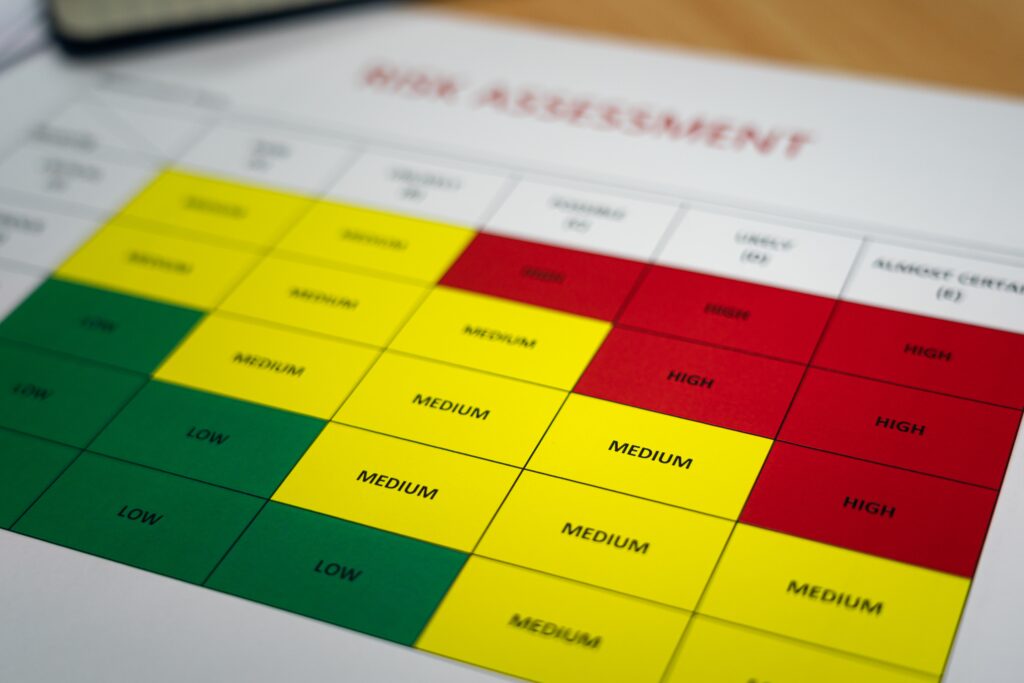
The course provides an overview of principles of risk management in the high hazard industries. It discusses the drivers for risk management, defines some of the fundamental terminology and introduces major risk management concepts, such as risk tolerability criteria and As Low As Reasonably Practicable (ALARP). The course briefly introduces some key risk assessment techniques and the situations in which they may be used. It considers the purpose and structure of an HSE/safety case and an HSE Management System (HSE MS). The course includes case studies of some significant historical accidents and their root causes, and evaluates the importance of safety leadership and organisational culture in preventing accidents.
Outline
- Drivers for risk management
- Definitions and terminology
- Elements of the risk management process
- Demonstration of ALARP
- Example tools, techniques and studies
- The HSE case (or safety case) and HSE management system
- Leadership, culture and behaviours
- Causes of major accidents
Who is this for?
Managers, engineers, operators, HSE advisors and risk management practitioners.
What prior study is recommended?
Education, skills or experience equivalent to undergraduate level.
At the end of the course you should be able to:
- Deconstruct the risk management process into its constituent components
- Contrast key risk management terms such as “hazard”, “consequence” and “risk”
- Evaluate the various drivers which cause organisations to manage risk
- Demonstrate expertise in academic referencing (postgraduate programme only)
For groups
This course can be customised and delivered at a location that suits you.
Contact our training team to find out how we can support your training needs.
For individuals
This course is available as a self-study TÜV Rheinland Risktec CPD.
This course is also included in our MSc Risk & Safety Management.